Understanding Bathroom Decor
Bathroom decor defines the mood of a space while balancing function, durability, and personal style. Thoughtful decor improves daily rituals and can influence well being. In this guide, you will learn how to plan a cohesive look, select materials that last, and implement lighting and storage strategies that elevate your bathroom without sacrificing practicality.
Design Principles for Lasting Appeal
- Balance and proportion
- Quality materials that tolerate humidity
- Texture and contrast to add warmth
- Timeless color palettes that age well
Color Schemes and Materials
Start with a neutral base and add color through towels, accessories, and art. Popular palettes include soft neutrals with warm wood tones, coastal blues for a serene vibe, or an all white spa look. Materials matter as well. Porcelain tile, natural stone, solid surface counters, and water resistant composites resist humidity and wear. Pair surfaces with textures such as matte fixtures against glossy tile or timber cabinetry with stone basins.
Lighting and Storage
Layer lighting to support both task needs and mood. A mix of vanity lights, overhead illumination, and subtle LED accents creates depth. Choose lighting with high CRI for accurate color rendering and damp location ratings. For storage, opt for smart vanity drawers, wall cabinets, and open shelving that keeps essentials reachable without crowding the space.
Styles to Consider
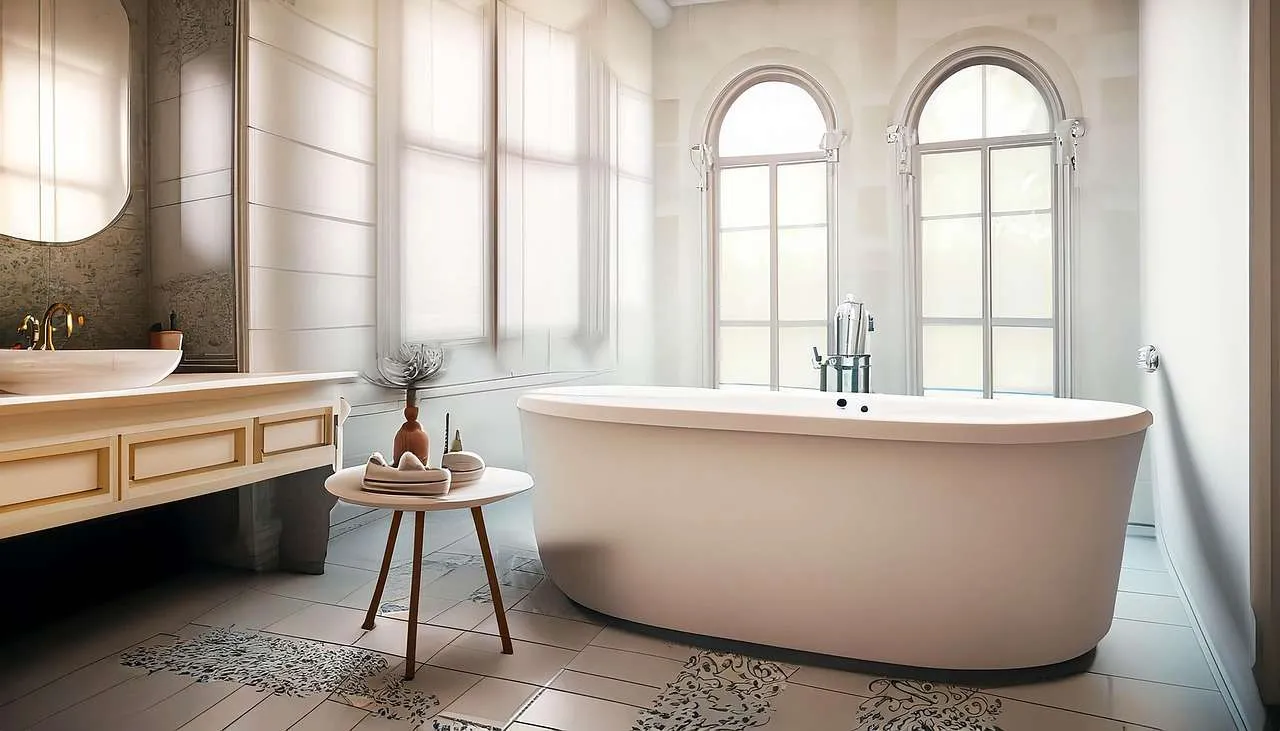
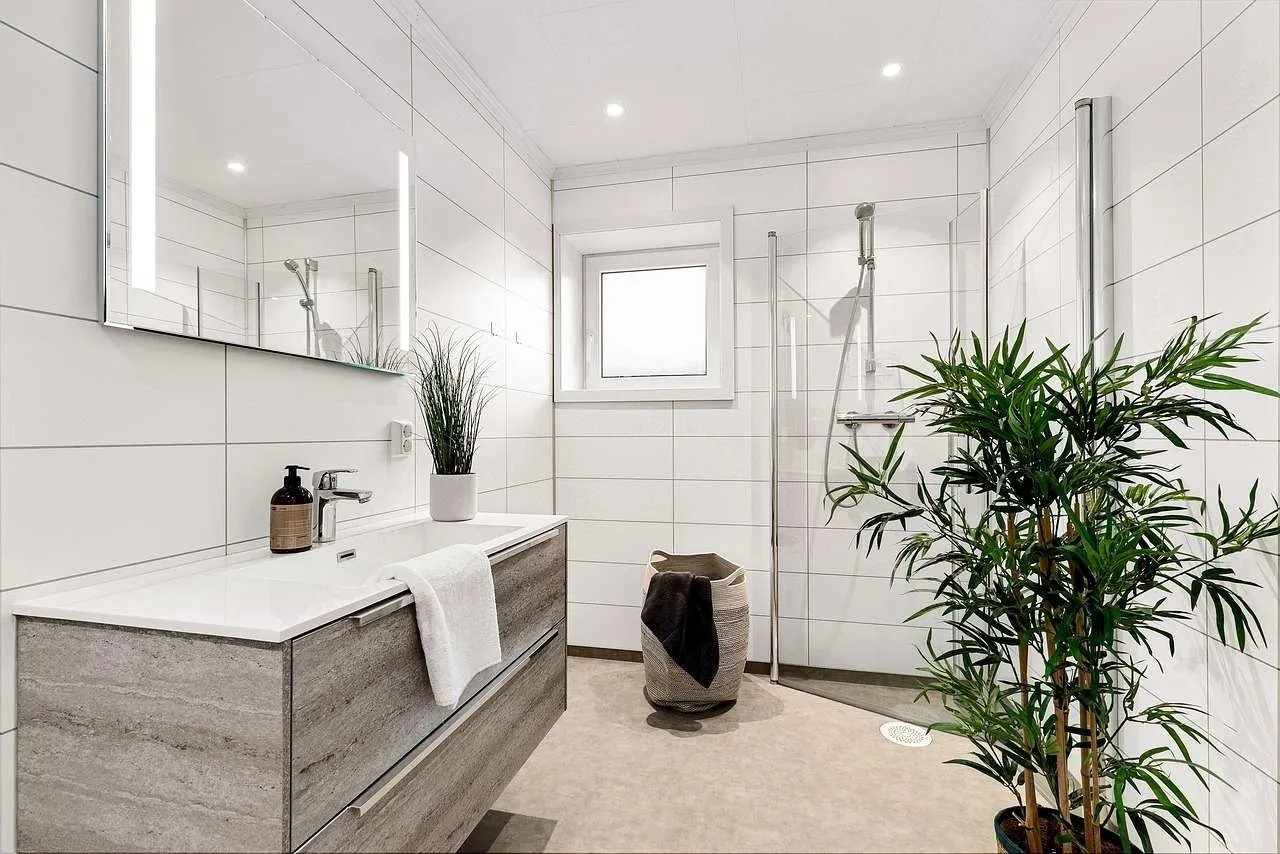
Modern and minimalist styles emphasize clean lines and a clutter free look. Classic designs rely on symmetry and premium materials. Coastal decor uses light colors, woven textures, and nautical accents. Rustic or industrial looks embrace natural materials and mixed metals. When selecting a style, ensure fixtures and finishes share common undertones to create a cohesive space.
Budgeting and Planning
Define your budget early and plan by zones such as the shower area, vanity, and storage. Allocate 60 percent for core components like flooring, vanity, and vanity lighting; reserve 20 percent for secondary items such as mirrors and towel bars; and keep 20 percent for soft touches like textiles. Prioritize durable materials in humid zones and consider moisture warranties. A phased approach helps large upgrades stay within reach.
| Style | Key Elements | Pros | Cons |
|---|---|---|---|
| Modern | Flush fixtures, neutral palette, simple hardware | Low maintenance, timeless | Can feel sterile; may read cold without warmth |
| Coastal | Soft blues, light woods, woven textures | Bright and airy | Requires regular upkeep of textures |
| Classic | Timeless fixtures, balanced symmetry, premium materials | Long lasting, versatile | Higher upfront cost |
Maintenance and Care
Choose surfaces that tolerate humidity and clean with appropriate cleaners. Wipe down mirrors to avoid water spots, seal grout annually, and refresh caulk as needed. A simple weekly routine keeps the space looking fresh and reduces wear from daily use.
Common Mistakes to Avoid
Avoid oversized mirrors that overwhelm the space, cluttered countertops, and mismatched metals. Test paint swatches in both morning and evening light, and plan electrical outlets carefully to support appliances and lighting options. Do not forget to verify moisture ratings on all fixtures before installing.
Conclusion, a thoughtful bathroom decor plan combines cohesive color, durable materials, smart lighting, and practical storage to create a serene, functional space that lasts.