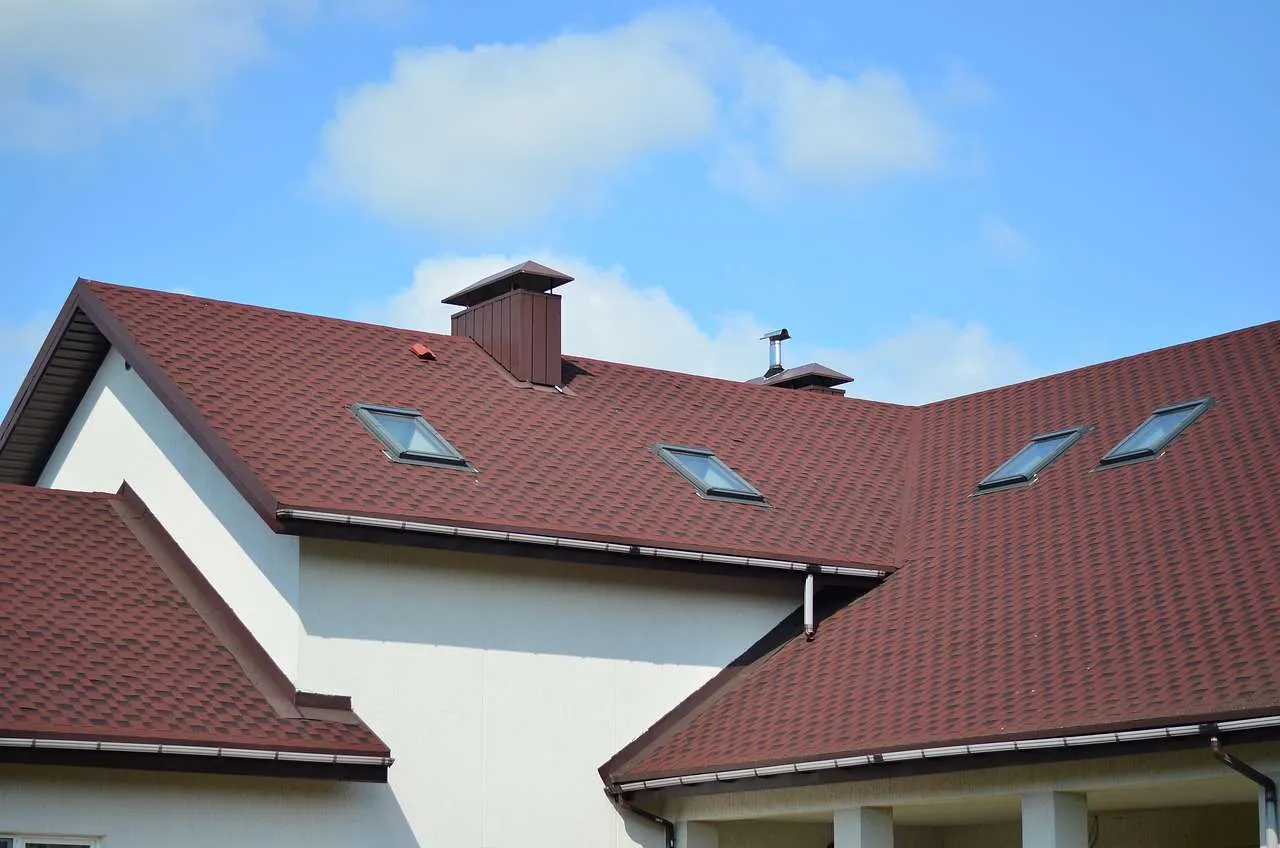
TPO roofing stands for thermoplastic polyolefin, a popular single-ply membrane used on commercial projects and increasingly on residential applications. It is installed in large sheets over insulation and a substrate, with heat-welded seams that create a continuous, watertight layer. Most TPO membranes are white or light-colored to reflect sunlight, helping to reduce cooling costs and improve indoor comfort.
What is TPO Roofing?
Thermoplastic polyolefin (TPO) is a durable, flexible membrane composed of a blend of polypropylene and ethylene-propylene rubber. Its heat-weldable seams allow strong, watertight bonds without the need for toxic solvents. TPO membranes are lightweight and compatible with various roof substrates, making them a popular choice for flat and low-slope roofs on both new construction and re-roof projects.
Benefits of TPO Roofing
- Energy efficiency from highly reflective, often white surfaces that reduce heat absorption.
- Cost effectiveness relative to some other single-ply membranes, depending on region and thickness.
- Durability and flexibility that perform well in diverse climates, with good puncture resistance for its weight.
- Ease of installation and repair; seams are welded on-site, enabling fast field fixes.
- Compatibility with solar PV and green building goals; many roofs qualify for energy credits and LEED points.
Types and Installation Considerations
Most TPO membranes are reinforced with polyester or fiberglass and come in thicknesses from about 45 to 60 mils. They can be installed using fully adhered, mechanically attached, or ballasted systems. Important installation considerations include:
- Roof type: flat or low-slope roofs are ideal for TPO; complex detailing requires skilled seam work.
- Climate: reflective white surfaces excel in hot sun; darker variants may be chosen for specific performance in cooler climates.
- Substrate preparation: the deck must be clean, dry, and level; existing layers may affect warranty eligibility.
- Warranty terms: most projects combine manufacturer warranties (often 15–30 years) with a contractor workmanship warranty.
How TPO Seams Are Joined
Seams are fused using heat-welding equipment. Correct calibration, clean seams, and trained crews are essential for long-term performance and warranty compliance.
Common Roof Substrates and Prep
Typical substrates include polyiso or polystyrene insulation boards, structural deck materials (OSB, plywood), and existing membranes. Surface preparation focuses on removing debris, oils, and sharp protrusions that could puncture or compromise seams.
Maintenance and Common Issues
Regular inspections and timely repairs are key to extending a TPO roof’s life. Maintenance activities include routine cleaning, debris removal, and patching worn or damaged areas on seams or flashings. Common issues to watch for are seam debonding in aging membranes, punctures from foot traffic or equipment, and flashing failures at corners or penetrations. Working with a qualified contractor who understands seam integrity and warranty terms helps mitigate these risks.
Cost and Lifespan
Installed costs for TPO typically range from $5 to $9 per square foot, influenced by membrane thickness, roof complexity, labor rates, and regional differences. With proper installation and maintenance, a TPO roof can last 20 to 30 years, with some premium options offering longer service life. Environmental conditions, heat exposure, and maintenance practices all play roles in longevity.
Comparison: TPO vs EPDM vs PVC
| Material | Key Benefits | Drawbacks | Lifespan | Cost |
|---|---|---|---|---|
| TPO | Energy efficiency, lightweight, heat-welded seams | Quality varies by manufacturer | 20-30+ years | Moderate |
| EPDM | Excellent durability, lower material cost | Lower reflectivity, color choices limited | 25-50 years | Lower |
| PVC | Excellent seam strength, chemical resistance | Higher cost, more environmental concerns | 20-40 years | Higher |
Choosing a TPO Contractor
When selecting a contractor, look for manufacturer-approved installers, documented references, and a written workmanship warranty. Confirm that the installer uses proper seam-welding equipment and follows the manufacturer’s installation guidelines. Ask about post-installation inspections and warranty transferability to ensure continued protection.
Environment and Energy Savings
Reflective, white TPO reduces cooling loads and can contribute to lower utility bills. Many TPO products are recyclable at end of life and align with green building standards, helping projects earn energy credits and certifications.
Summary: TPO roofing offers a cost-effective, energy-efficient, and repair-friendly option for flat and low-slope roofs. By understanding its structure, benefits, installation needs, and maintenance, building owners can choose reliable products and qualified installers to achieve long-term protection.