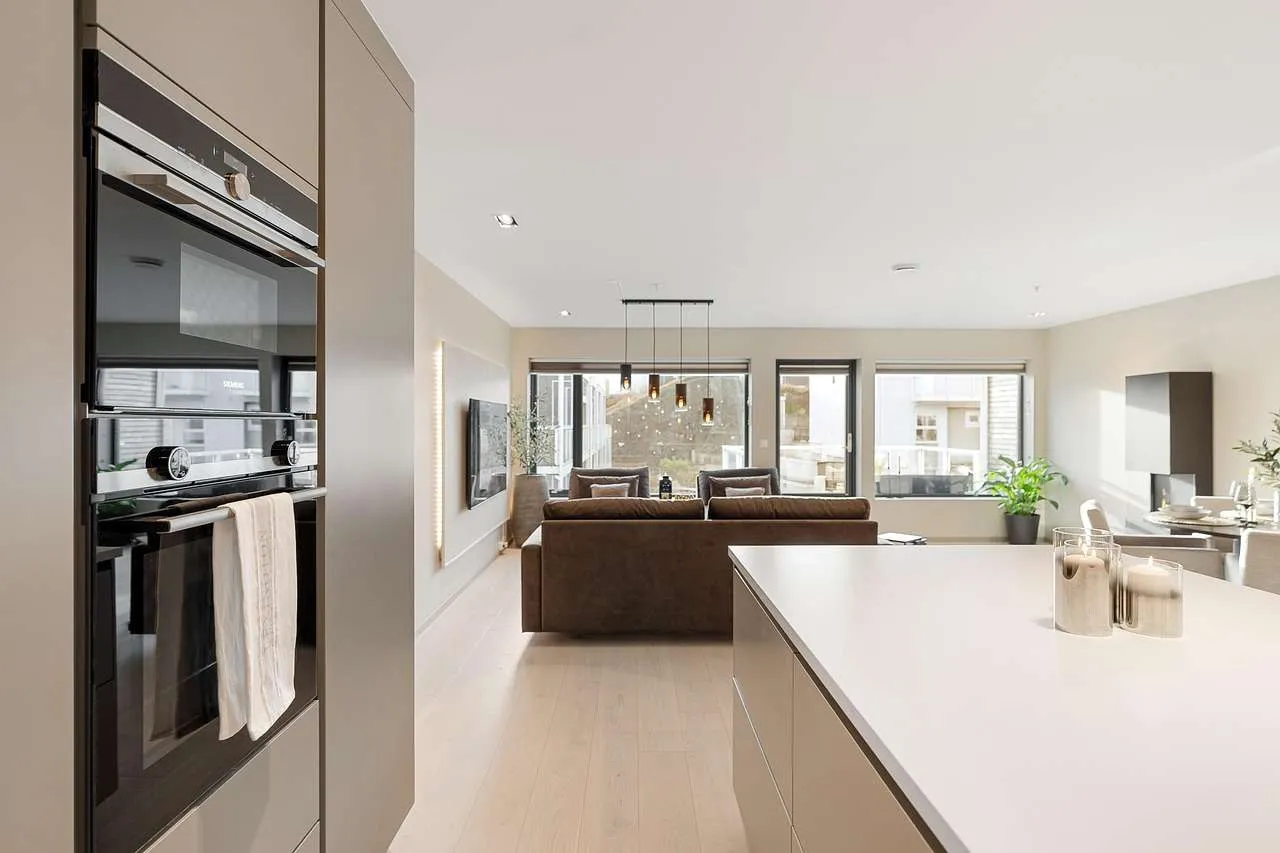
Home window tinting has become an increasingly popular choice for homeowners aiming to improve comfort, privacy, and energy efficiency. Whether you're considering tinting for UV protection or aesthetic appeal, understanding the types, benefits, and costs involved is essential. This comprehensive guide breaks down everything you need to know about home window tinting to help you make an informed decision.
What is Home Window Tinting?
Home window tinting involves applying a specialized film to your windows. This film can reduce heat, block harmful UV rays, minimize glare, and enhance privacy without compromising natural light. Unlike curtains or blinds, window tinting offers a sleek, permanent solution that maintains the exterior view while improving indoor comfort.
Top Benefits of Home Window Tinting
1. Energy Efficiency and Cost Savings
One of the most significant advantages of window tinting is the ability to regulate indoor temperatures. By blocking up to 60% of solar heat, tinted windows reduce the strain on air conditioning systems during hot months and help retain heat in winter. Homeowners typically notice lower energy bills as a result.
2. Enhanced Privacy
Certain types of window films can obstruct the view from outside while still allowing visibility from inside. This is especially useful for homes located near busy streets or in close proximity to neighbors.
3. UV Protection
UV rays cause skin damage and can fade furniture, floors, and artwork. Most window tints block up to 99% of UV radiation, protecting both your family and your interior investments.
4. Glare Reduction
Window tinting can dramatically reduce the harsh glare from sunlight, improving comfort and reducing eye strain, especially in rooms with screens such as living rooms or home offices.
Types of Home Window Tinting Films
| Type | Description | Key Benefits |
|---|---|---|
| Dyed Window Film | Uses layers of dye to absorb solar heat and reduce glare. | Improves privacy, reduces glare, cost-effective option. |
| Metalized Film | Contains tiny metallic particles to reflect UV rays and heat. | Highly durable, excellent heat rejection, increases strength. |
| Ceramic Film | Uses non-metallic ceramic particles for superior heat and UV blocking. | Non-reflective, preserves natural light, high performance. |
| Holographic Film | Combines dyed and metalized layers with holographic technology. | Reduces haze, blocks UV, enhanced aesthetics. |
Factors Affecting Home Window Tinting Cost
Costs vary depending on window size, tint type, and installation complexity. On average, homeowners can expect to pay between $6 to $12 per square foot. Professional installation ensures optimal adhesion and durability, while DIY kits are available but may not provide long-term results.
How to Choose the Right Window Tint for Your Home
Consider your primary goals: Is it energy savings, privacy, or aesthetic improvement? If you seek the best heat rejection without blocking natural light, ceramic film is often the ideal choice. For budget-friendly privacy enhancements, dyed films are effective.
Professional Installation vs. DIY
Professional installation guarantees a smooth, bubble-free application and compliance with local regulations regarding visible light transmission. While DIY kits are less expensive, improper application can reduce effectiveness and durability.
Maintenance and Longevity
Maintaining tinted windows is straightforward. Use non-abrasive cleaners and soft cloths to avoid scratching the film. Most high-quality films last between 10 to 15 years with proper care, making window tinting a worthwhile investment.
Summary
Home window tinting offers multifaceted benefits, including energy efficiency, UV protection, privacy, and glare reduction. Selecting the right type of window film depends on your priorities and budget, with options ranging from economical dyed films to advanced ceramic technology. While costs vary, professional installation is recommended to maximize longevity and performance. With minimal maintenance, home window tinting can significantly enhance comfort and protect your home's interior while lowering energy costs.